
Prolotherapy, also known as proliferation therapy or regenerative injection therapy, is an injection-based treatment intended to stimulate the body’s natural healing processes used for chronic musculoskeletal pain. Typically, a stimulant solution such as hypertonic dextrose, is injected into ligaments, tendons, muscle or intra-articular spaces to promote tissue repair. Over the last several decades, a growing number of research articles and clinical trials have evaluated the efficacy, mechanisms, and safety profile of prolotherapy. Several studies and systematic reviews suggest that prolotherapy can offer meaningful benefit for several musculoskeletal conditions.
Historical Context and Mechanistic Research
Early prolotherapy research emerged in the mid-20th century, focusing primarily on ligament laxity and chronic low back pain. The theoretical mechanism proposed that injecting proliferative solutions could trigger localized healing through stimulating inflammatory response, leading to fibroblast proliferation, collagen deposition, and subsequent strengthening of connective tissues. Histological studies in animals have provided some support for this model. For example, research using dextrose injection in rat ligaments has demonstrated increased cellularity, improved tensile strength, and enhanced collagen fiber organization compared with saline controls. View article (PMC full text) Although these studies have limitations, they form part of the biological foundation that supports ongoing clinical research.
Modern mechanistic studies increasingly focus on the biochemical effects of dextrose. In vitro research suggests that dextrose may modulate neurogenic inflammation, reduce neuropathic pain signaling, and influence growth factor pathways related to tissue repair. Imaging studies using ultrasound and MRI also show structural changes following prolotherapy in some cases, such as increased tendon thickness or decreased joint effusion. Overall, mechanistic evidence supports the idea that prolotherapy can help to reinitiate the local healing process through refocusing the bodies innate healing mechanisms.
Knee Osteoarthritis
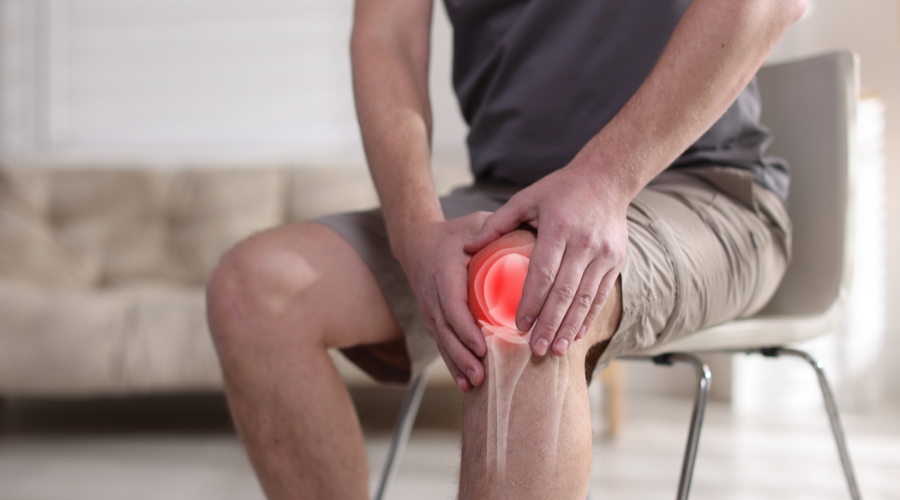
Knee osteoarthritis (OA) is a condition with an expanding evidence base for prolotherapy. Multiple Random Control Trials and prospective cohort studies have examined dextrose prolotherapy for knee OA, often using validated outcomes such as the WOMAC (Western Ontario and McMaster Universities Osteoarthritis Index). Several trials report statistically and clinically significant improvements in pain, stiffness, and function compared with saline injections or exercise alone. Follow-up periods ranging from six months to two years suggesting sustained benefit.
Sacroiliac Joint Pain
Research on sacroiliac (SI) joint dysfunction represents one of the more favorable evidence areas for prolotherapy. A notable Random Control Trial investigating dextrose prolotherapy for SI joint pain found that patients receiving prolotherapy had significantly greater pain reduction and functional improvement compared with those receiving corticosteroid injections, with benefits persisting at 6 and 12 months. Additional smaller studies have reported similar long-term improvements, supporting the idea that prolotherapy may provide durable benefits for SI joint instability—a condition often resistant to conventional treatments.
Shoulder Pain and Rotator Cuff Disease
Research on prolotherapy for shoulder disorders, such as rotator cuff tendinopathy and adhesive capsulitis, is growing. A few controlled studies have shown reductions in pain and disability scores following dextrose injections to the rotator cuff tendons or glenohumeral joints.
Tendinopathy
Research on prolotherapy for tendinopathies—such as Achilles Tendinopathy, Lateral Epicondylitis (Tennis Elbow), and Plantar Fasciitis—has yielded promising results. For example, RCTs on lateral epicondylitis have shown that dextrose prolotherapy can reduce pain and improve grip strength. Similarly, studies on Achilles tendinopathy suggest functional improvement following prolotherapy, particularly when combined with eccentric loading exercise programs. Common tendons that can be treated with prolotherapy are:
- Tennis Elbow – Lateral Epicondyle Tendon
- Golfer’s Elbow – Medial Epicondyle Tendon
- De Quervain Syndrome – Abductor Pollicis Longus, Extensor Pollicis Brevis,
- Rotator Cuff Tendinopathy
- Supraspinatus & Infraspinatus Tendon Subscapularis
- Lateral Trochanteric Tendon
- Jumper’s Knee – Patella Tendinopathy
- Achilles Tendinopathy
- Ischial Tuberosity Tendinopathy
Ligament Injuries
Prolotherapy has a long history of being used to address chronic ligament injuries and joint instability. Ligaments are dense connective tissues that stabilize joints, but when they are stretched or partially torn due to trauma or repetitive strain, they often heal slowly because of their limited blood supply. In some cases, incomplete healing leads to persistent pain, weakness, and mechanical instability. Prolotherapy aims to stimulate the body’s natural healing processes to strengthen these damaged ligaments.
The most common form of prolotherapy involves injecting a hypertonic dextrose solution into the affected ligament or its attachment site at the bone. This can create a mild inflammatory response, which is believed to trigger the release of growth factors and attract reparative cells to the area. This biological response can promote collagen deposition and tissue remodeling, leading to the thickening and strengthening of ligament fibers over time. As ligament integrity improves, joint stability and pain can improve.
Clinical studies have reported positive outcomes in conditions involving ligament laxity.
The following are ligaments that can be treated with prolotherapy using ultrasound guidance:
- MCL – Medial Collateral Ligament
- LCL – Lateral Collateral Ligament
- ACL – Anterior Cruciate Ligament
- UCL – Ulnar Collateral Ligament
- SI – Sacroiliac Ligament
- ATFL – Anterior Talofibular Ligament
Conclusion
Research on prolotherapy has expanded substantially over recent decades, with increasing evidence supporting its use for conditions such as knee osteoarthritis, sacroiliac joint pain, tendinopathies, and ligament injuries, prolotherapy is an appealing option for patients seeking to avoid surgery or chronic pharmacological management.
As the evidence base grows, prolotherapy is increasingly becoming an integral component of comprehensive pain and regenerative rehabilitation programs.
- Rat ligament model demonstrating structural and mechanical improvement
Jensen KT et al., 2008
Response of Knee Ligaments to Prolotherapy in a Rat Injury Model
- View article (PMC full text)
- Controlled laboratory study using rat MCL injury model
- Compared dextrose injection vs saline control
- Findings included:
- Increased ligament cross-sectional area (≈30% greater than saline controls)
- Evidence of biologic stimulation of ligament repair
- Evaluation of collagen fibril diameter and density
- Improved structural characteristics consistent with stronger connective tissue
This study is one of the most commonly cited sources supporting statements that hypertonic dextrose stimulates connective tissue proliferation and structural remodeling in injured ligaments.
Additional supporting animal studies
- Rat Achilles tendon histologic and mechanical analysis
Martins CAQ et al., 2012
- PubMed abstract
- Compared 12.5% dextrose vs corticosteroid vs saline
- Histologic evaluation included collagen fiber structure and mechanical properties
- Demonstrated measurable changes in tendon tissue characteristics after dextrose injection
- Review summarizing connective tissue effects of hypertonic dextrose
Evidence-Based Regenerative Injection Therapy (sports medicine review)
- Reports increased connective tissue width and thicker collagen bundles after dextrose injection in animal models
How the literature supports the statement
Across animal models, hypertonic dextrose injection has been associated with:
- Increased fibroblast proliferation and cellular activity
- Increased collagen deposition and improved fiber organization
- Increased ligament thickness and cross-sectional area
- Improved mechanical properties such as load to failure and stiffness
These biological changes are consistent with the commonly cited description:
“increased cellularity, improved tensile strength, and enhanced collagen fiber organization compared with saline controls.”
Dr. C Everett Koop, who served as the Surgeon General of the United States, is a strong advocate of Prolotherapy. Restorative Injection Therapy, is a non-surgical orthopedic technique that is used to treat ligaments, tendons, joints, muscles, and other chronic painful musculoskeletal conditions.